
Dynamic Pricing: The Future of Profit Optimization in Hospitality and Retail
by SmartWebsites Team, AI & Automation Specialists
Dynamic Pricing: The Future of Profit Optimization in Hospitality and Retail
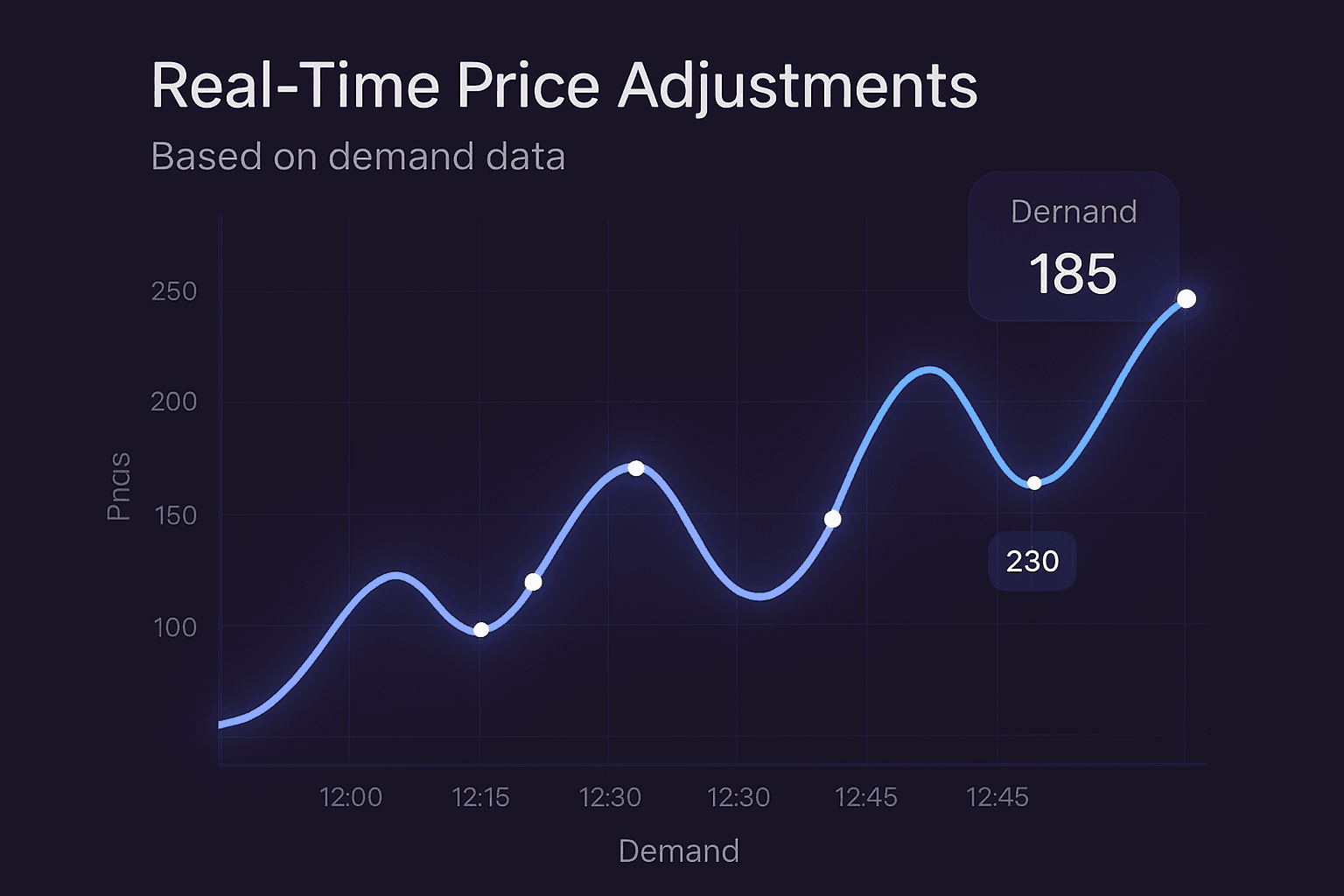
Dynamic pricing is a strategy that adjusts the cost of goods or services in real time based on factors such as demand, time of day, inventory levels, and competitor pricing. It’s been used for decades in airlines and hotels—think peak‐season fares and weekend surcharges—but only recently has the technology become accessible to pubs, restaurants, fast food chains, and brick‑and‑mortar retailers. As businesses in America begin to adopt dynamic pricing solutions, those who master it will unlock new revenue streams, smooth out capacity constraints, and deliver more personalized offers to customers.
Top tip
Start by identifying your highest‑variability products or service times—and model price elasticity before rolling out changes across your menu or shelf.
1. Pubs & Restaurants: Yield Management Meets Hospitality
Just as airlines manage seat inventory, restaurants can manage table occupancy. By raising prices during peak dinner hours or major local events—and offering off‑peak discounts for early‑bird diners—you can:
- Increase average spend per cover.
- Smooth out kitchen workloads.
- Incentivize guests to book during slower periods.

Top tip
Integrate your reservation system and POS with an AI engine that forecasts foot traffic, then adjust menu item prices in real time to balance covers and kitchen capacity.
2. Fast Food: Surge Pricing for On‑Demand Convenience
Fast food chains are experimenting with surge pricing in their mobile apps and kiosks. During lunch rush or late‑night cravings, prices can flex upward—while off‑peak specials encourage orders when kitchens aren’t at full tilt:
- Capture additional margin when demand spikes.
- Move inventory (e.g., perishables) more efficiently.
- Drive customer behavior toward quieter times.
Top tip
Leverage real‑time order volume and local weather or traffic data to trigger price adjustments automatically.
3. Retail: Smart Shelf Labels & E‑Commerce Price Optimization
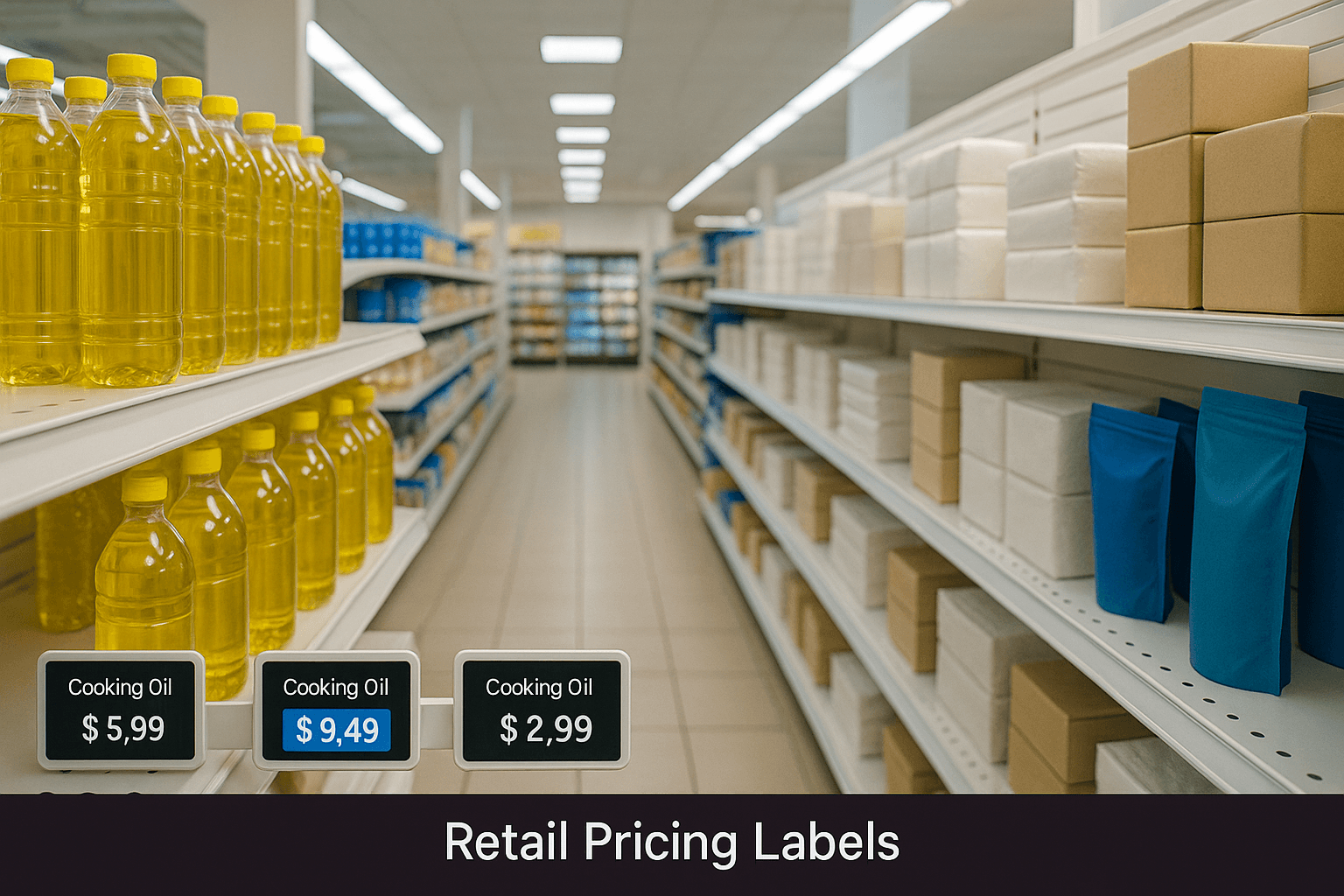
From grocery aisles to fashion boutiques, retailers are adopting electronic shelf labels and AI‑powered repricing tools. Key benefits include:
- Matching competitor prices instantly.
- Clearing slow‑moving stock with targeted markdowns.
- Maximizing margin on bestselling items.
Top tip
Combine in‑store sensor data (foot traffic, dwell time) with online sales trends to fine‑tune pricing strategies across channels.
Dynamic pricing isn’t a distant trend—it’s already reshaping how American pubs, restaurants, and retailers operate. At SmartWebsites, we design and implement end‑to‑end dynamic pricing solutions:
- Data Integration: Connect your POS, reservation system, e‑commerce platform, and external data feeds.
- AI‑Driven Models: Build predictive algorithms that optimize prices based on demand forecasting and elasticity analysis.
- Real‑Time Deployment: Automate price updates on digital menus, mobile apps, kiosks, and shelf labels.
- Dashboard & Reporting: Monitor performance, segment by location or product, and continuously refine your strategy.
Ready to unlock hidden revenue? 👉 Book a Free Consultation and let our team build a tailored dynamic pricing engine for your business.